
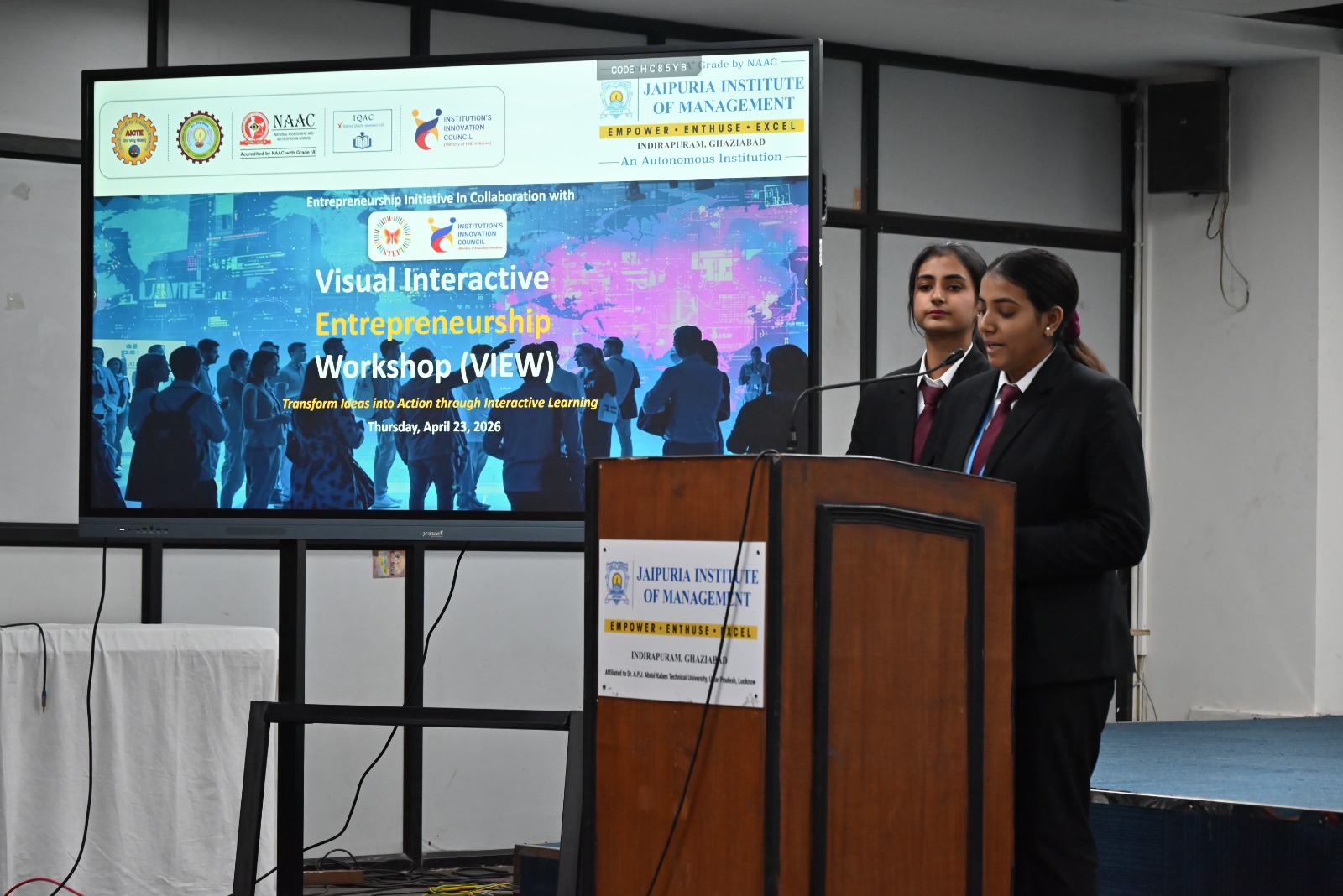
Jaipuria Institute of Management, Ghaziabad continues to strengthen its commitment to experiential and impact-driven learning through initiatives that go beyond traditional classroom teaching.
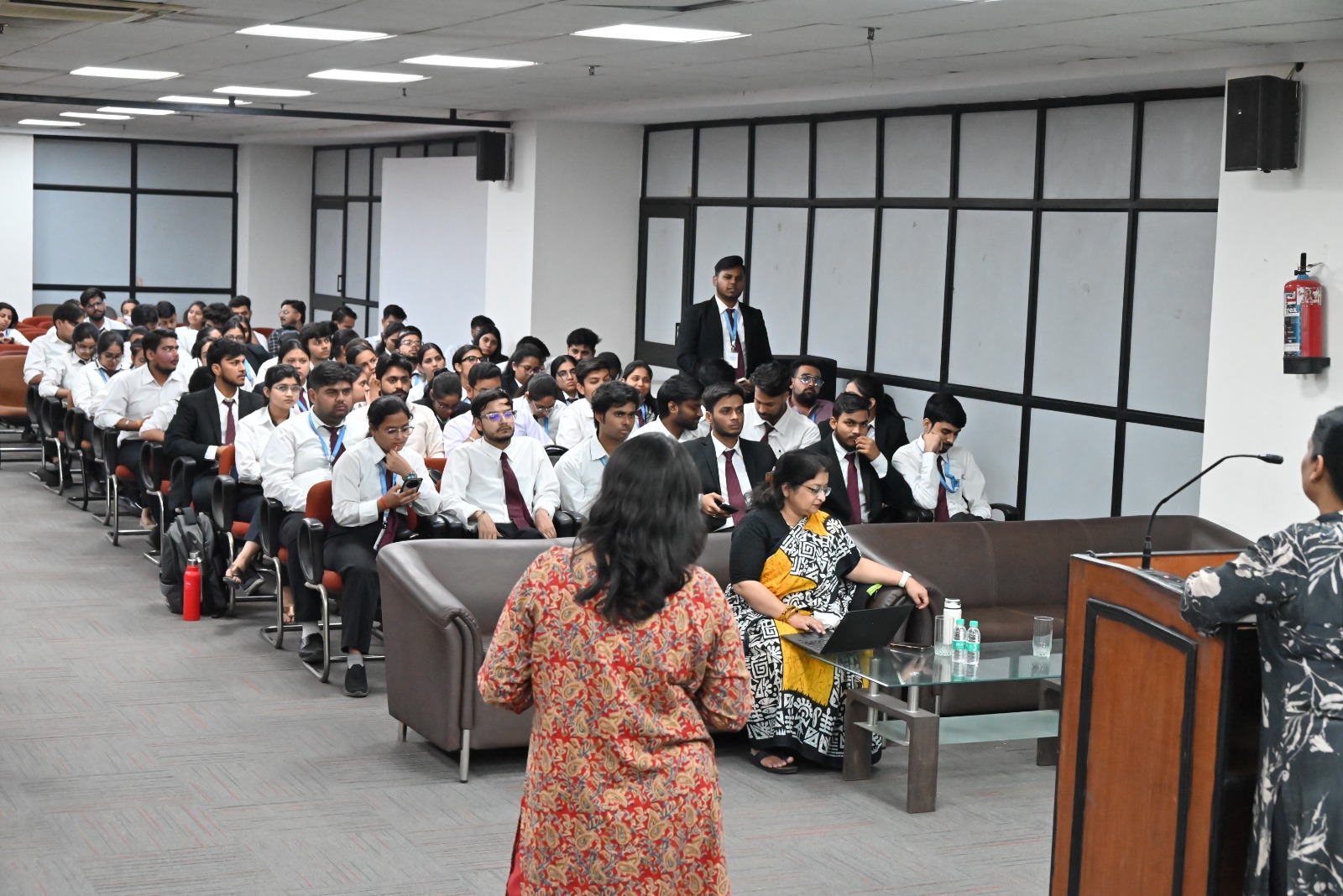
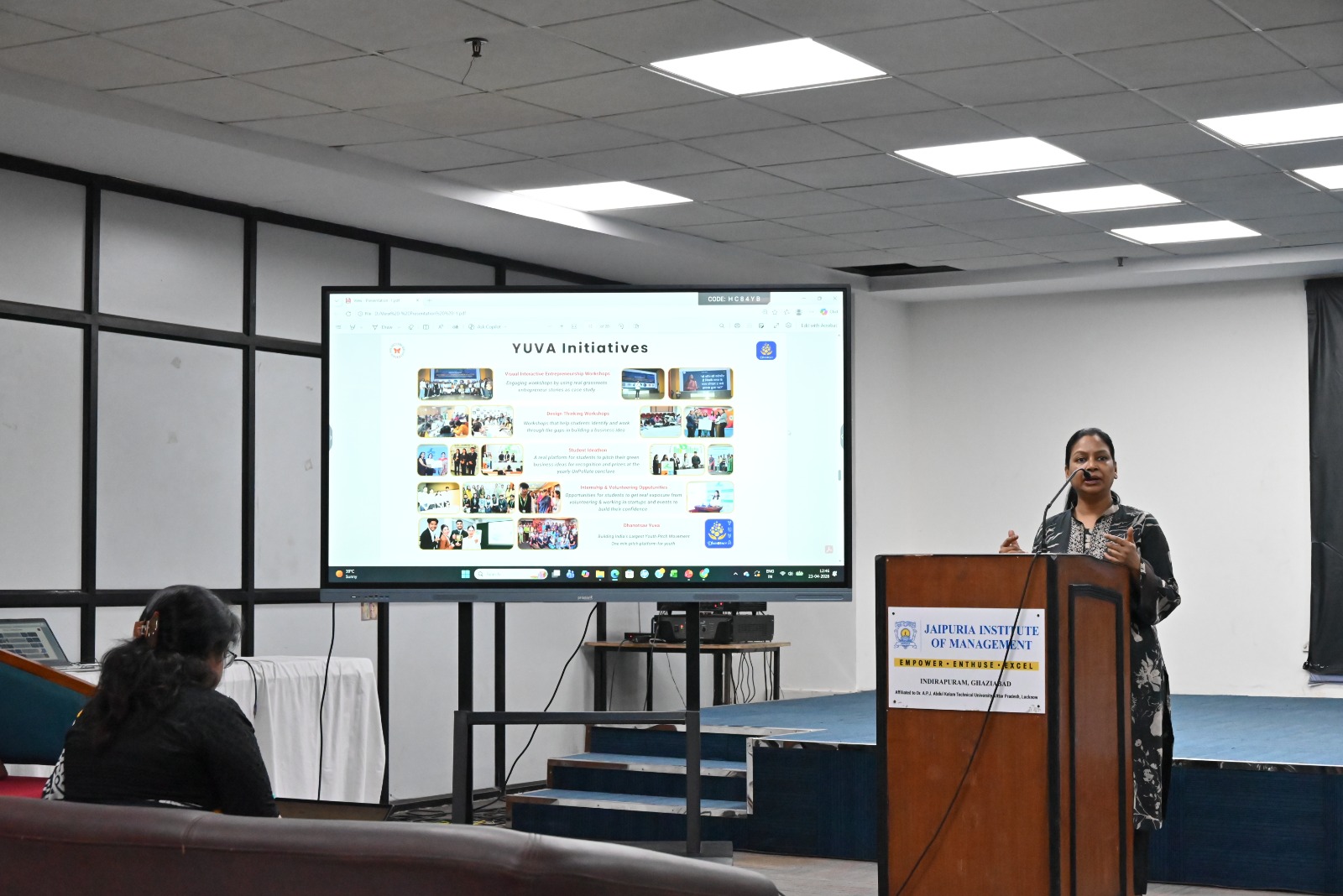
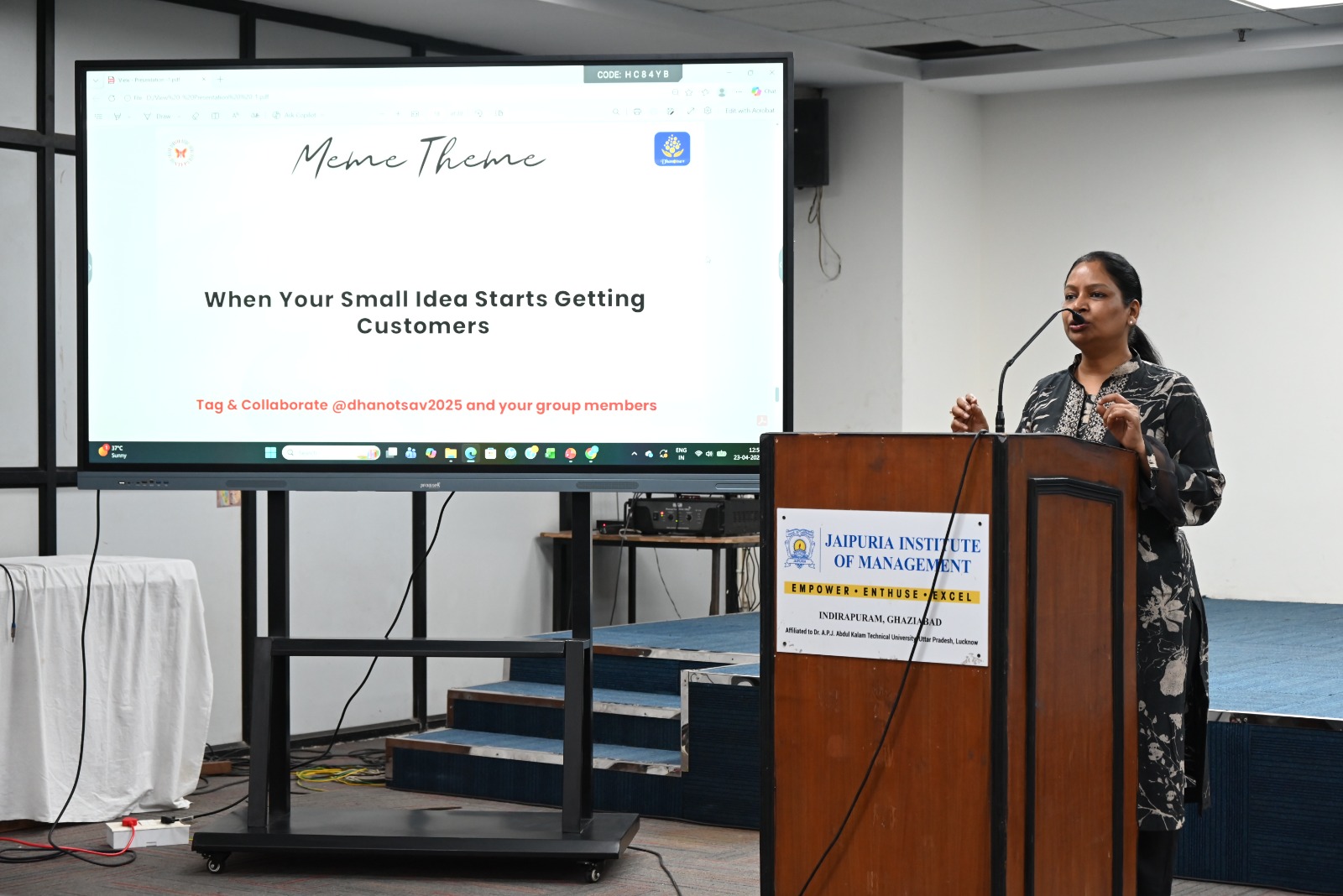
On 23 April 2026, the institute organized the VIEW (Visual Interactive Entrepreneurship Workshop) in collaboration with STEP – Shakti The Empathy Project. Conducted from 11 AM to 1 PM at the campus, the two-hour workshop brought together MBA students for an immersive learning experience focused on real-world entrepreneurship and social impact.
A Workshop Rooted in Real Entrepreneurship Stories
The VIEW workshop was designed to bridge the gap between academic learning and grassroots entrepreneurship. At its core, the session used Dhanotsav as a case study, a pioneering initiative created by STEP (CGLS Foundation).
Dhanotsav stands as India’s first platform dedicated to showcasing and supporting rural women entrepreneurs. It reflects a structured ecosystem that integrates mentorship, capacity building, and market visibility to enable sustainable entrepreneurial growth.
Through this case-based approach, students were exposed to the realities of building enterprises in underserved communities. The workshop shifted the lens from theoretical business models to impact-oriented entrepreneurship that creates measurable social change.
Objective: Learning Beyond the Classroom
The primary goal of the VIEW workshop was clear. It aimed to actively involve MBA students in the entrepreneurial movement while helping them understand the broader implications of business in society.
The session focused on:
- Engaging students with grassroots entrepreneurship stories
- Encouraging impact-driven thinking
- Promoting experiential learning methodologies
- Building awareness of social innovation models
This approach aligns with the institute’s pedagogy, which emphasizes practical exposure, case-based learning, and industry relevance as key components of management education.
Experiential Learning in Action
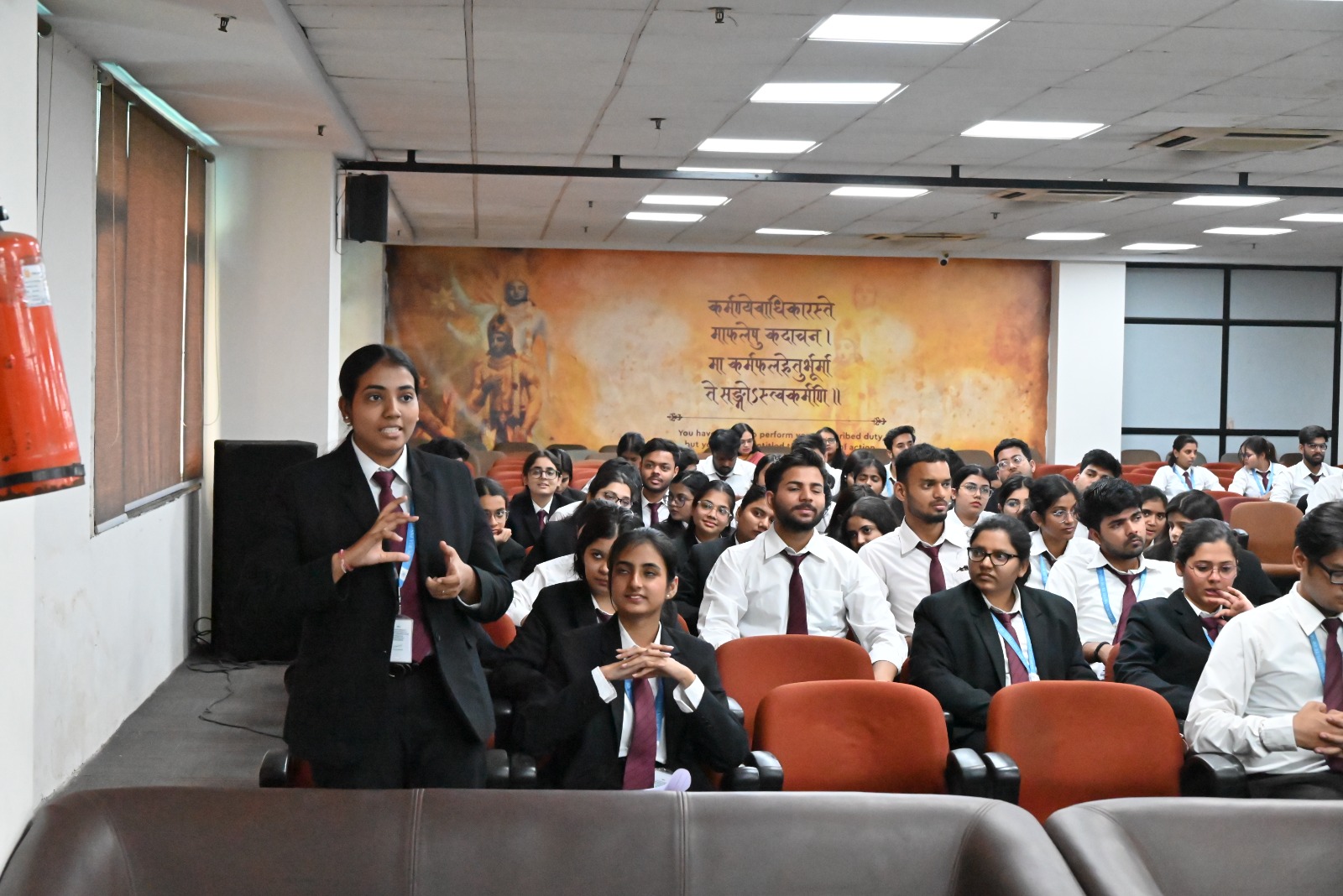
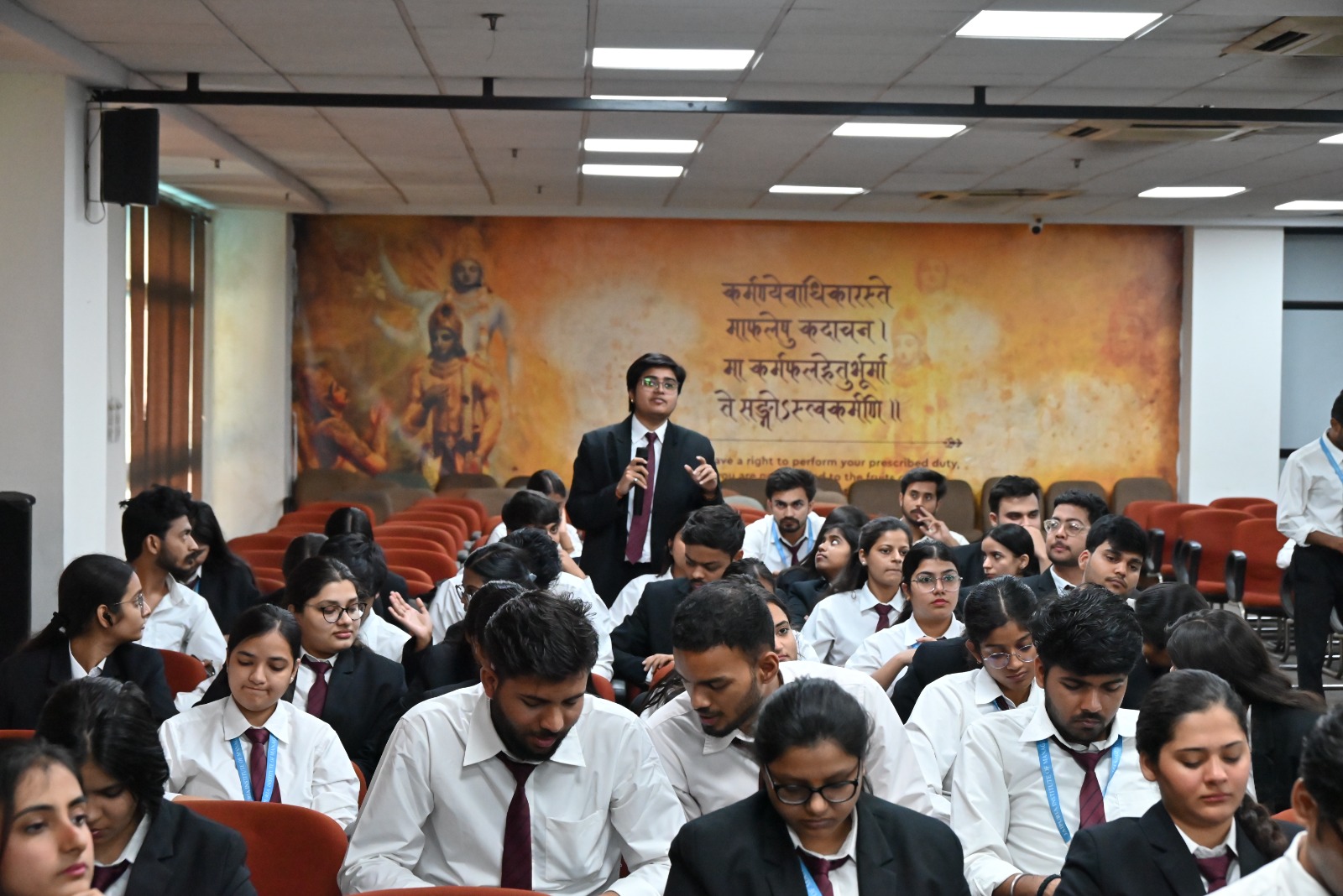
What made the VIEW workshop particularly engaging was its interactive structure. Rather than being a passive lecture, the session was designed as a dynamic learning environment.
Students participated in:
- Interactive discussions based on real-life entrepreneurial journeys
- Quiz sessions to reinforce key concepts
- Meme-making competitions that blended creativity with business insights
This format ensured that learning was not only informative but also engaging and participative. It allowed students to interpret complex social business models in a relatable and creative way.
Understanding Social Innovation and Impact Enterprises
One of the strongest takeaways from the workshop was the exposure to social entrepreneurship and innovation-driven enterprises.
Students explored:
- How entrepreneurship can address societal challenges
- The role of innovation in creating scalable impact
- The importance of inclusive economic development
- Business models that prioritize sustainability alongside profitability
By examining initiatives like Dhanotsav, participants gained a deeper understanding of how structured support systems can empower marginalized communities, particularly rural women entrepreneurs.
Encouraging Critical Thinking Through Case-Based Learning
The workshop adopted a case-based learning model that encouraged students to think critically and analytically.
Instead of simply understanding concepts, participants were pushed to:
- Analyze real-world challenges faced by entrepreneurs
- Evaluate solutions implemented in grassroots ecosystems
- Develop perspectives on scaling social enterprises
- Connect management theories with practical applications
This method reflects the institute’s broader teaching philosophy, where learning is driven by application, discussion, and real-world relevance.
Participation and Student Engagement
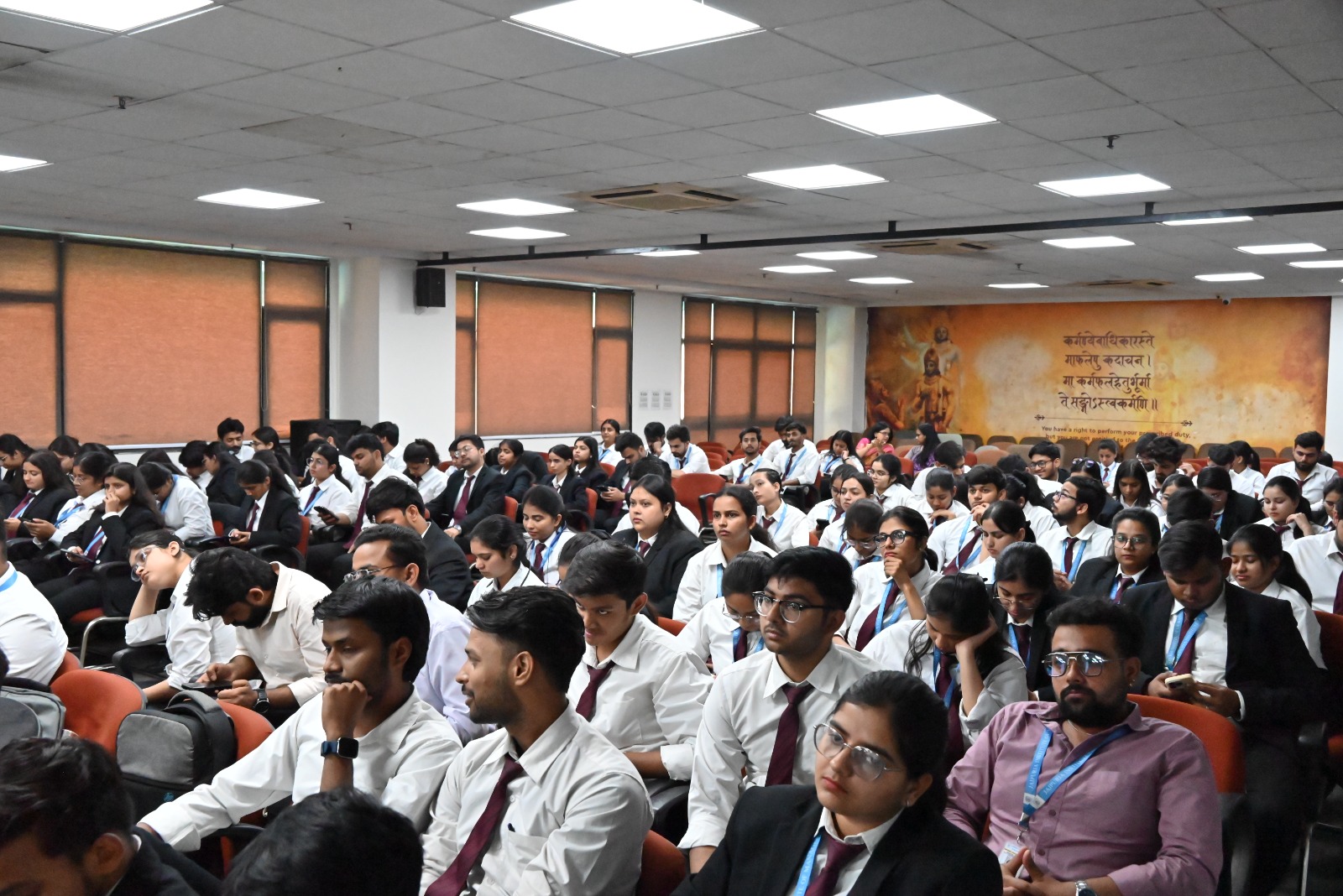
The workshop witnessed active participation from 102 MBA students, highlighting strong engagement and interest in entrepreneurship-focused learning.
Students were not just attendees but contributors to the learning process. Their involvement in activities, discussions, and competitions created a collaborative environment where ideas were shared openly.
Recognizing Creativity and Collaboration
A key highlight of the event was the meme-making competition, which added a creative dimension to the workshop.
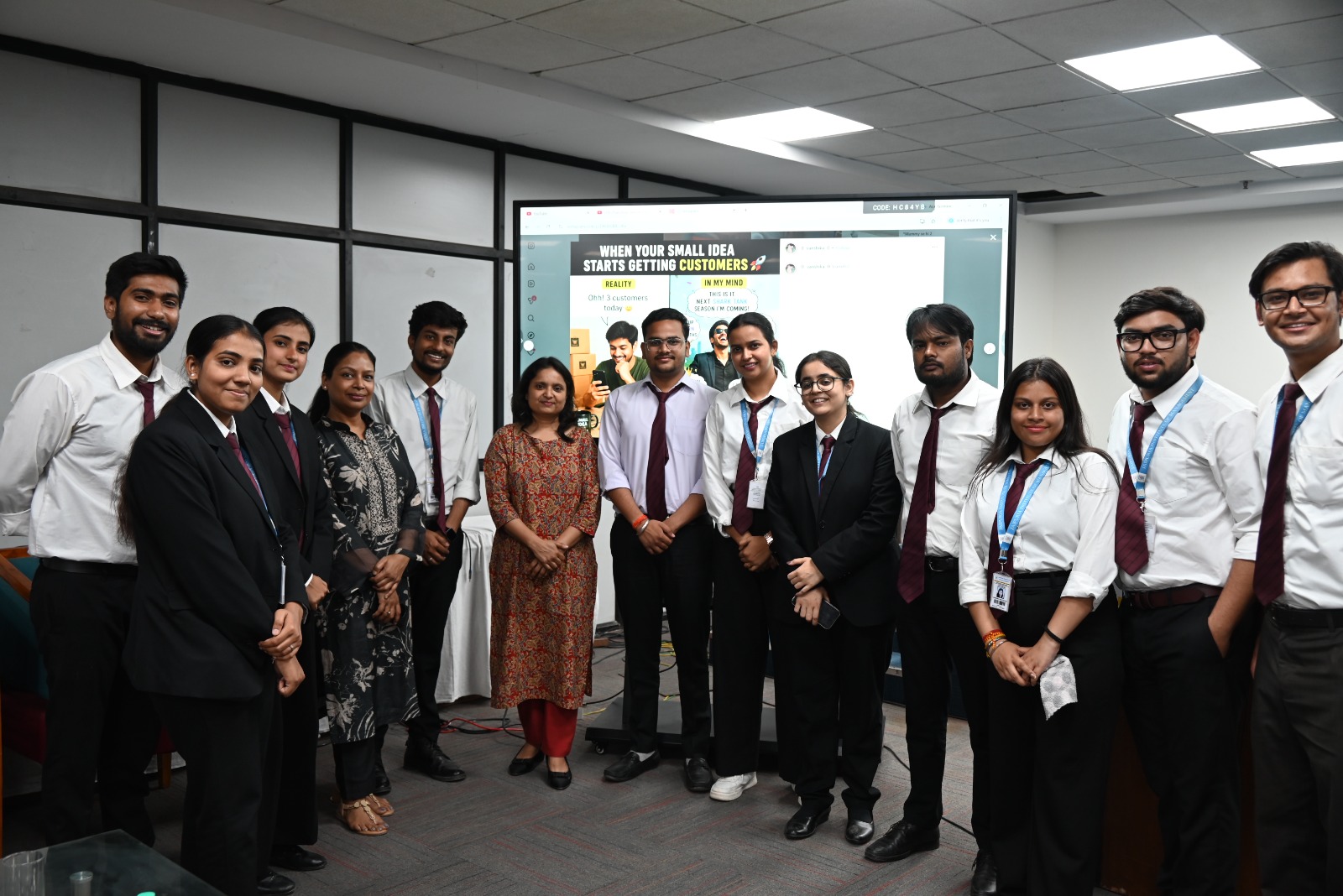
The winners were:
- 1st Position: Team B Group 8
- 2nd Position: Team A Group 1
- 3rd Position: Team A Group 8
The competition encouraged students to simplify and communicate complex entrepreneurial concepts through creative expression, reinforcing learning in an unconventional format.
Key Learning Outcomes
The VIEW workshop delivered several meaningful outcomes for participating students.
They:
- Engaged with authentic entrepreneurial narratives
- Gained insights into social entrepreneurship and innovation
- Participated in interactive and experiential learning formats
- Developed critical thinking through case discussions
- Received formal recognition and certification
These outcomes contribute directly to building managerial capabilities that are aligned with current industry and societal needs.
Faculty Coordination and Academic Leadership
The workshop was successfully coordinated by:
- Dr Devi Archana Mohanty
- Dr Namita Nigam
- Dr Smita Agarwal
Their academic guidance ensured that the session maintained a strong balance between conceptual understanding and practical exposure.
Strengthening the MBA Learning Experience
At Jaipuria Institute of Management, Ghaziabad, such initiatives reflect a broader vision of management education. The focus is not limited to classroom instruction but extends to developing socially responsible and industry-ready professionals.
Workshops like VIEW demonstrate how management education can evolve to include:
- Real-world case exposure
- Social impact awareness
- Entrepreneurial mindset development
- Interactive and experiential pedagogy
The VIEW Visual Interactive Entrepreneurship Workshop stands as a strong example of how academic institutions can create meaningful learning experiences that go beyond textbooks.
By integrating case-based learning, social entrepreneurship, and interactive engagement, Jaipuria Institute of Management, Ghaziabad continues to prepare MBA students for a dynamic business environment where impact, innovation, and leadership go hand in hand.
This initiative not only enhanced students’ understanding of entrepreneurship but also inspired them to think about business as a tool for societal transformation.