From Idea to Publication: Paper Development Through AI Tools
15–19 June 2026
Day 3: 17 June 2026
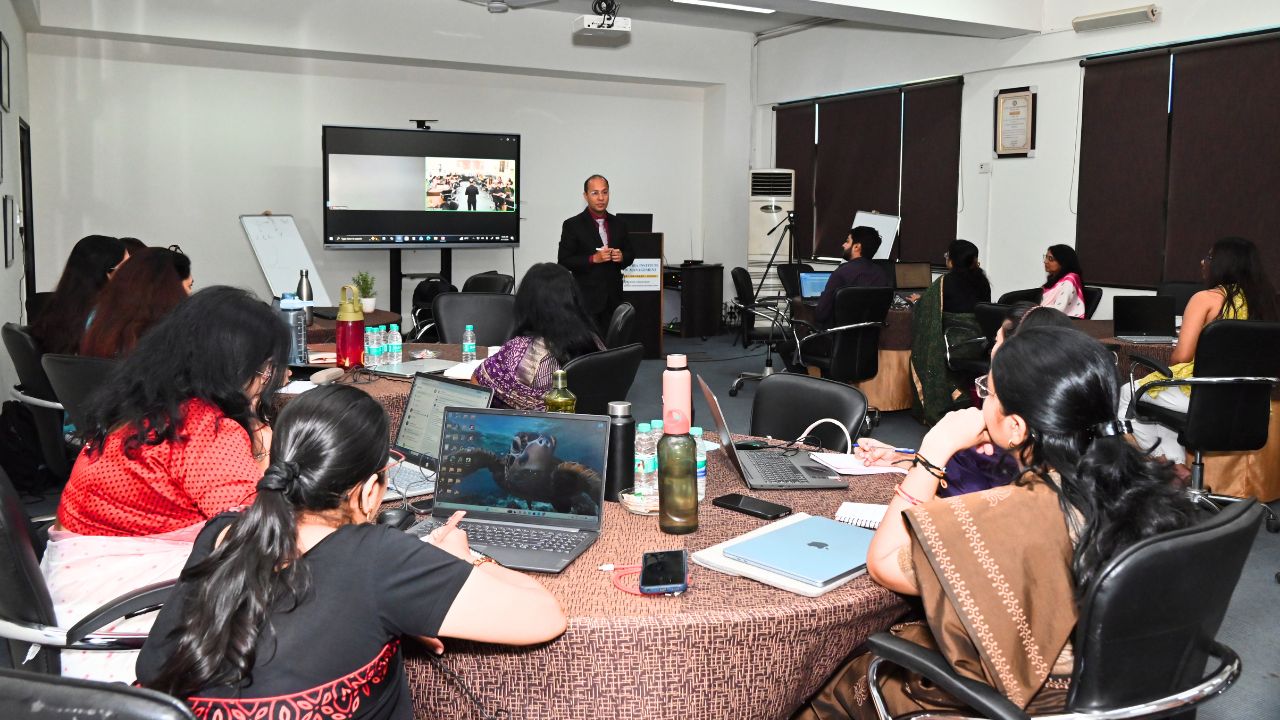
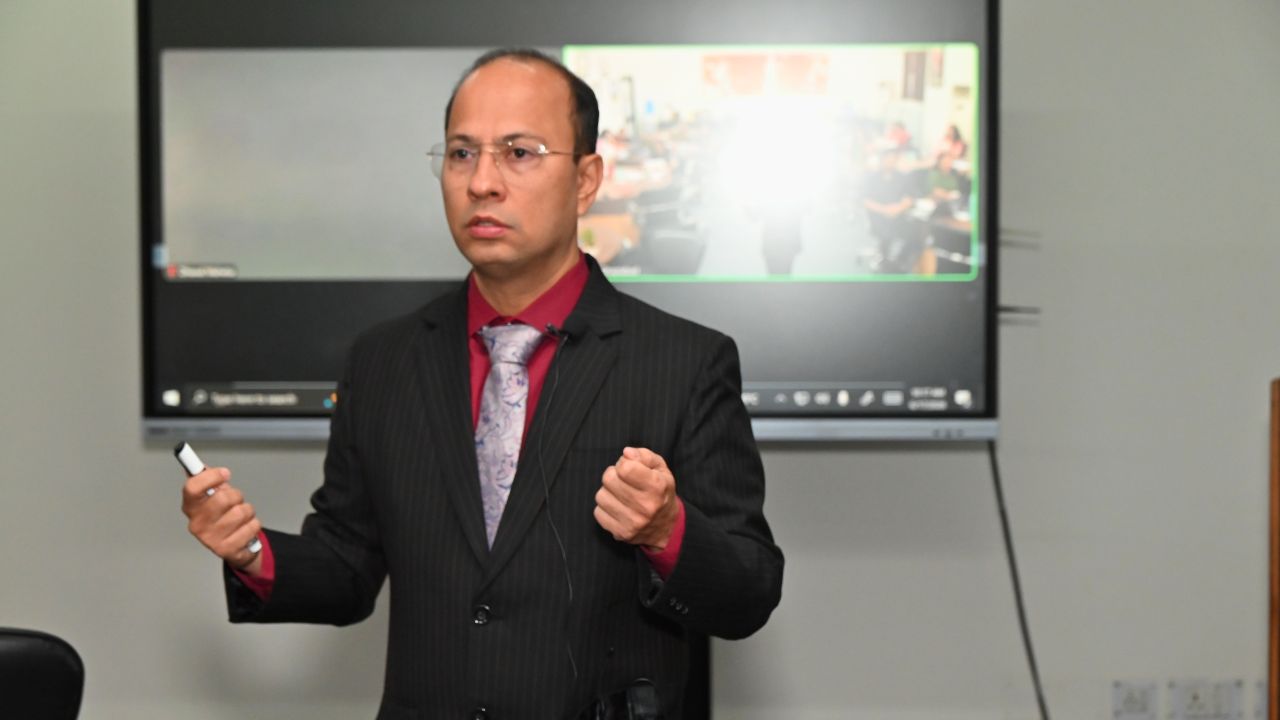
The third day of the Faculty Development Program (FDP) on “From Idea to Publication: Paper Development Through AI Tools” was conducted successfully on 17 June 2026 at Jaipuria Institute of Management, Ghaziabad. The sessions were led by Prof. Dhaval Mehta, Veer Narmad South Gujarat University (VNSGU), Surat, a highly acclaimed trainer and researcher in the field of Social Sciences and Management Research Techniques.
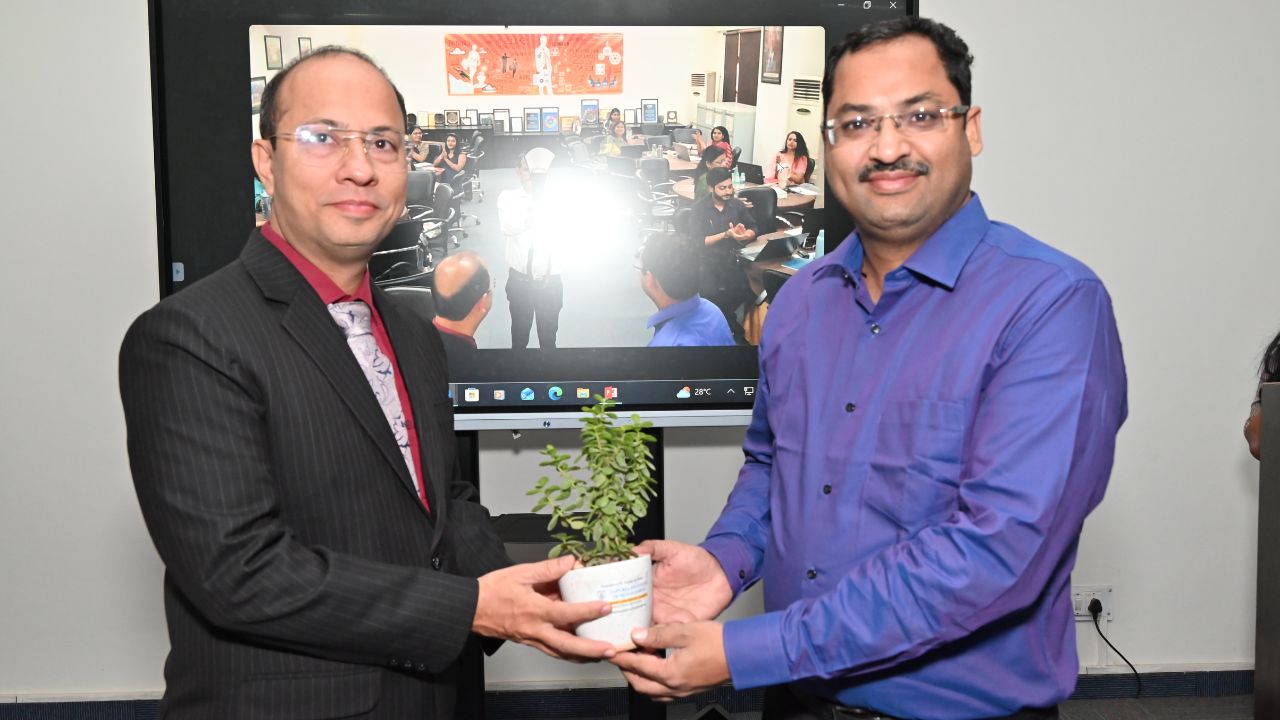
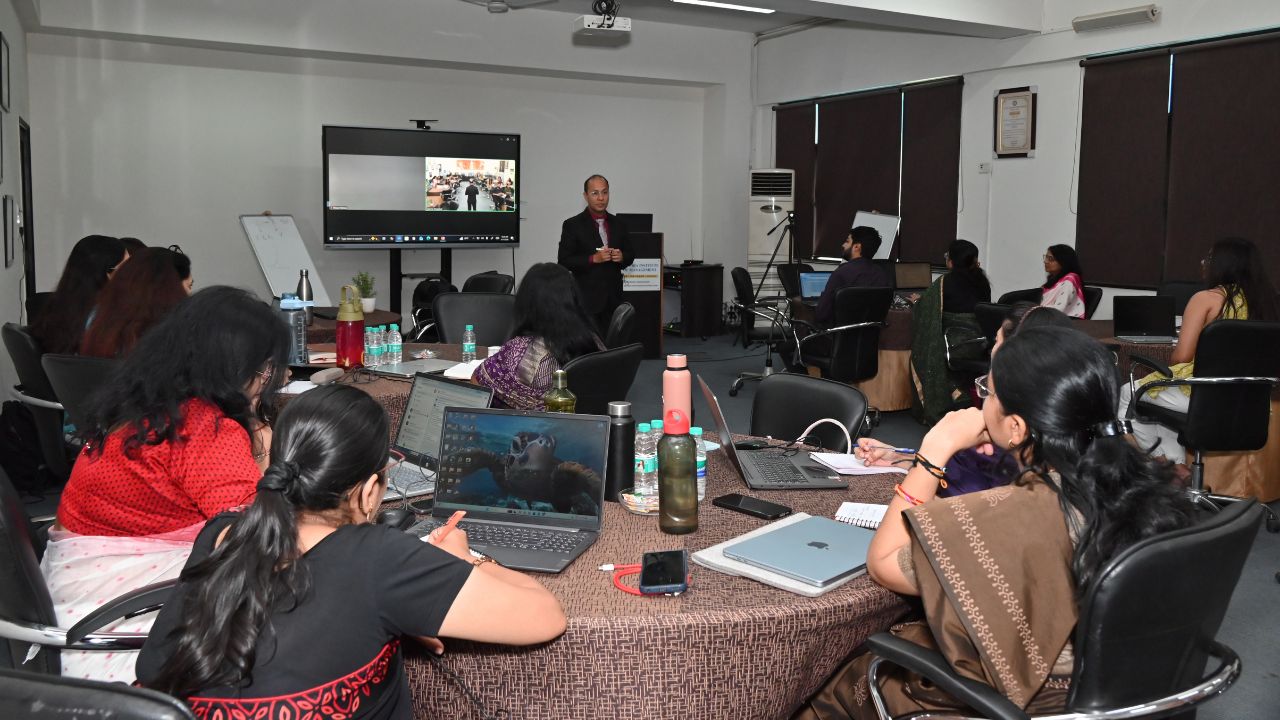
The day commenced with a warm welcome to the resource person by the Dean Student Welfare, the FDP Convenor, faculty members of Jaipuria Institute of Management, and the participants attending both in offline and online modes. The participants expressed enthusiasm for learning advanced quantitative research techniques from an expert with extensive experience in research methodology and data analysis.
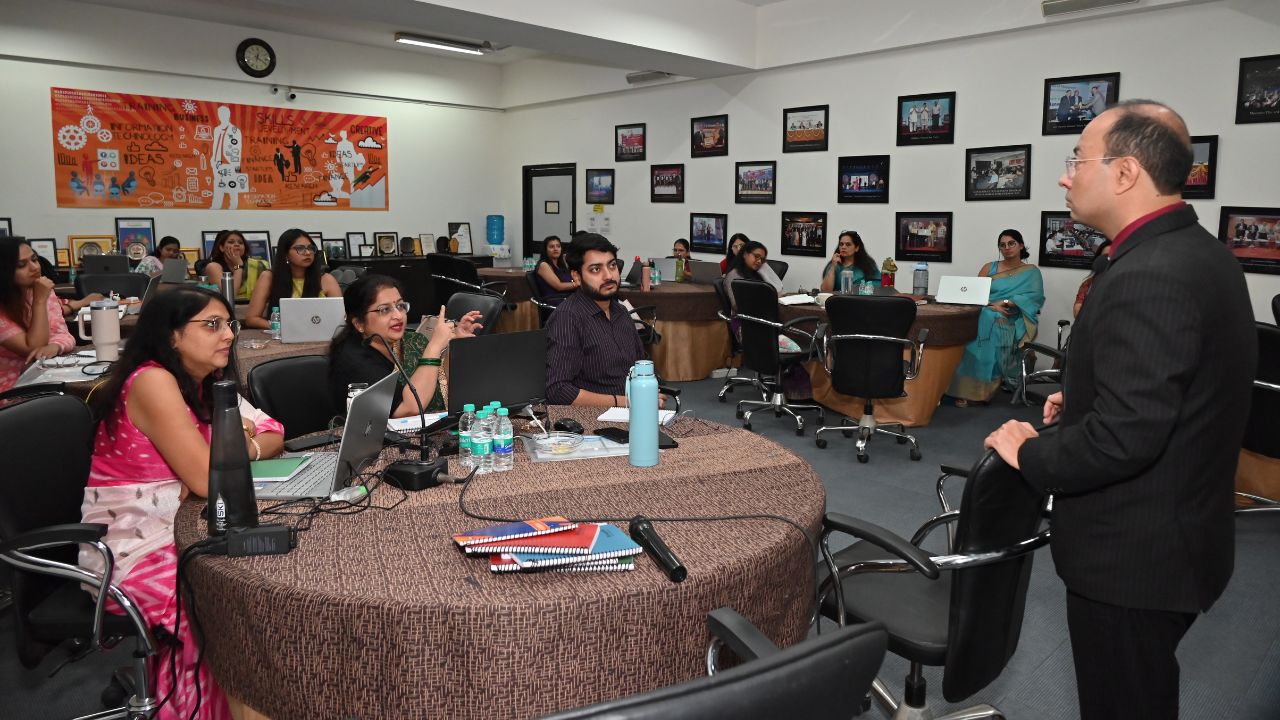
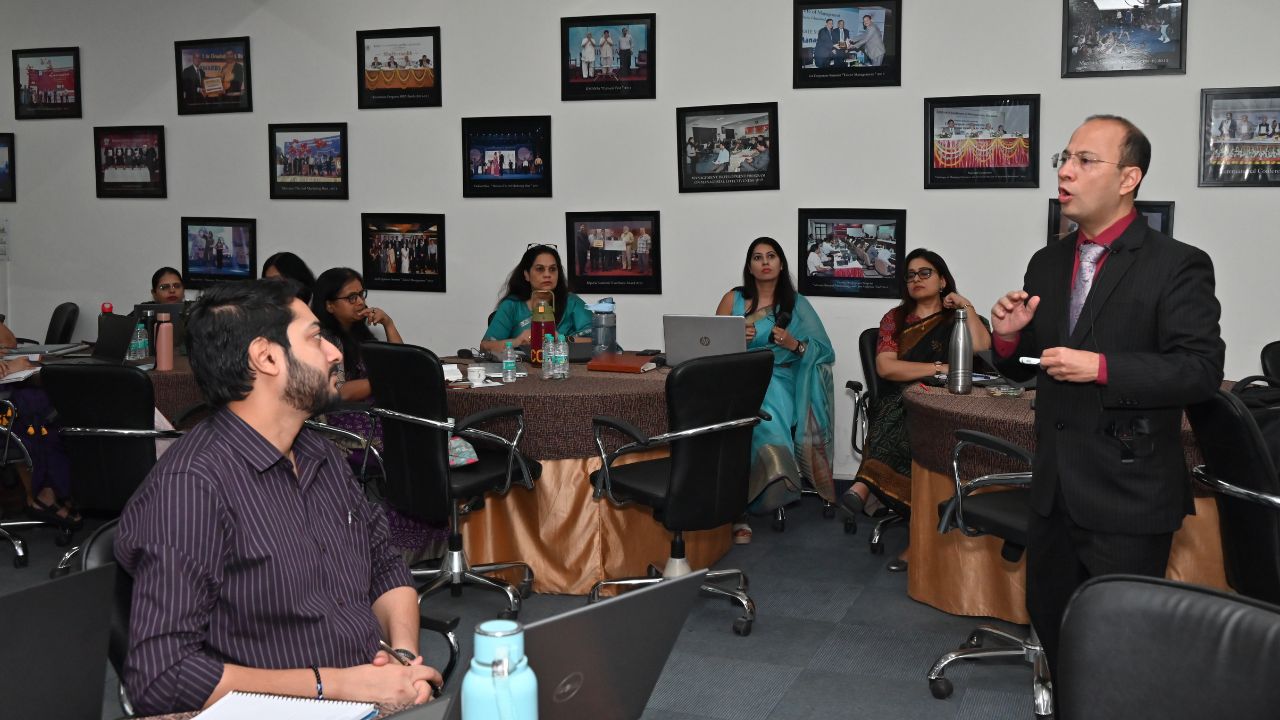
The sessions began with a discussion on the fundamentals of regression analysis, providing participants with a conceptual understanding of predictive modelling and hypothesis testing. Prof. Mehta elaborated on the limitations and common challenges associated with traditional statistical approaches using SPSS, thereby creating a strong foundation for understanding the need for advanced analytical tools. Building upon these concepts, the focus gradually shifted to Partial Least Squares Structural Equation Modelling (PLS-SEM) and the application of SmartPLS-4 in contemporary research. Participants were introduced to the software interface, model construction procedures, and the conceptual distinctions between covariance-based and variance-based approaches to structural equation modelling.
A significant highlight of the day was the distribution of SmartPLS license keys to all participants, enabling them to gain hands-on experience with the software during and after the FDP. The practical orientation of the sessions allowed participants to follow the demonstrations and apply concepts directly within the SmartPLS environment. Throughout the day, Prof. Mehta adopted a highly engaging and interactive teaching approach. Complex statistical concepts were explained through a combination of real-world examples, practical research scenarios, and even mythological analogies, making the learning process both enjoyable and meaningful. His ability to simplify technical concepts and relate them to everyday experiences helped participants develop a clear understanding of model construction and measurement assessment in SmartPLS. The sessions covered the introduction to SmartPLS, model construction, and the fundamentals of measurement and structural models. Participants actively engaged in discussions, raised research-related queries, and explored the practical applications of PLS-SEM across diverse research contexts.
Beyond the technical aspects of data analysis, Prof. Mehta also shared valuable insights into the academic publication process. He discussed common expectations of journal editors and reviewers, frequent reasons for manuscript rejection, and best practices for improving the quality and publishability of research papers. These discussions provided participants with a broader perspective on conducting impactful research that meets the standards of reputed journals.
The third day concluded on a highly informative and inspiring note. Participants appreciated the resource person’s ability to make advanced statistical techniques accessible and relatable while simultaneously providing practical guidance on research publication. The sessions laid a strong foundation for the advanced SmartPLS topics scheduled for the fourth day of the FDP.