

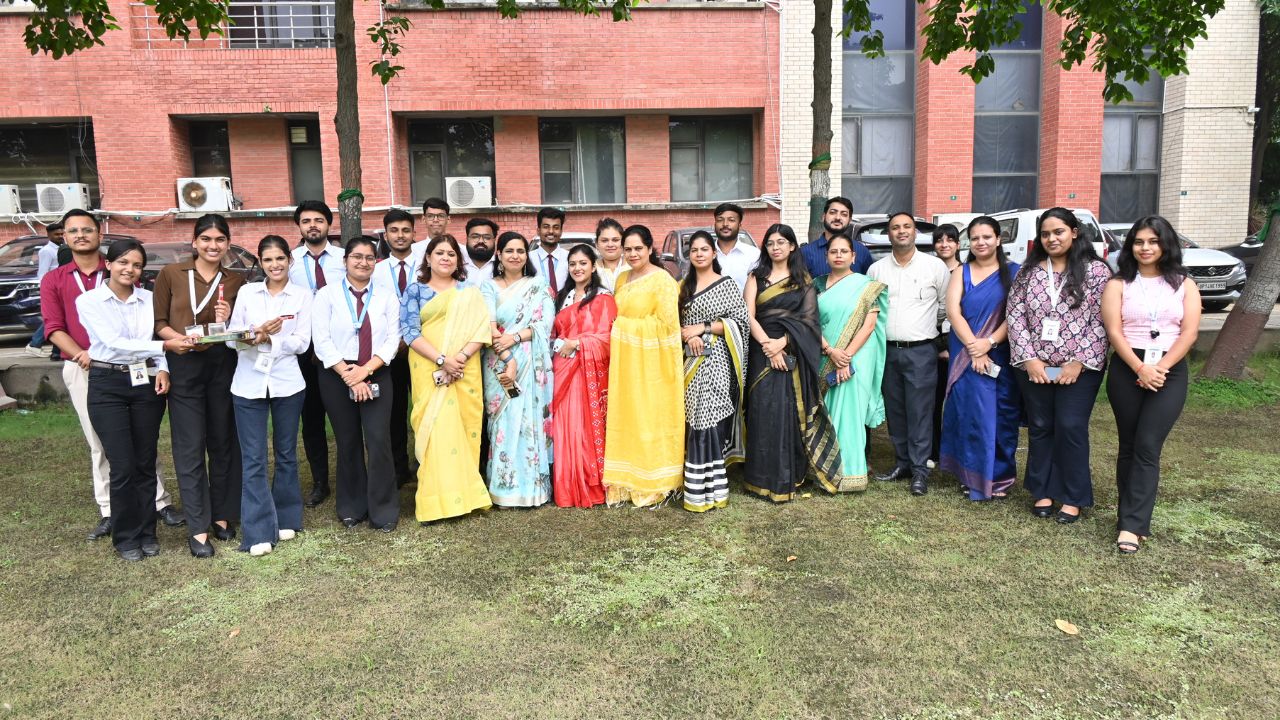
Jaipuria Institute of Management, Ghaziabad celebrated Rakshabandhan on 27 August 2026 with a thoughtful initiative that extended the traditional meaning of protection beyond family relationships to nature and the environment.
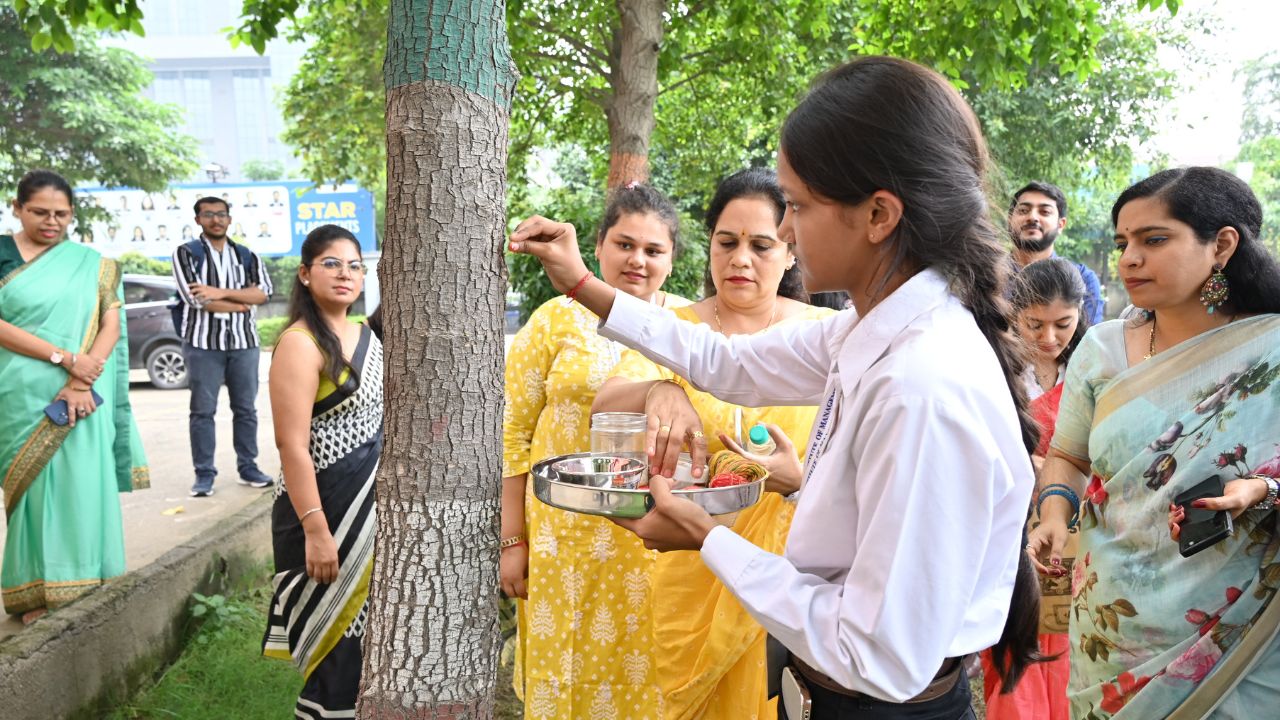
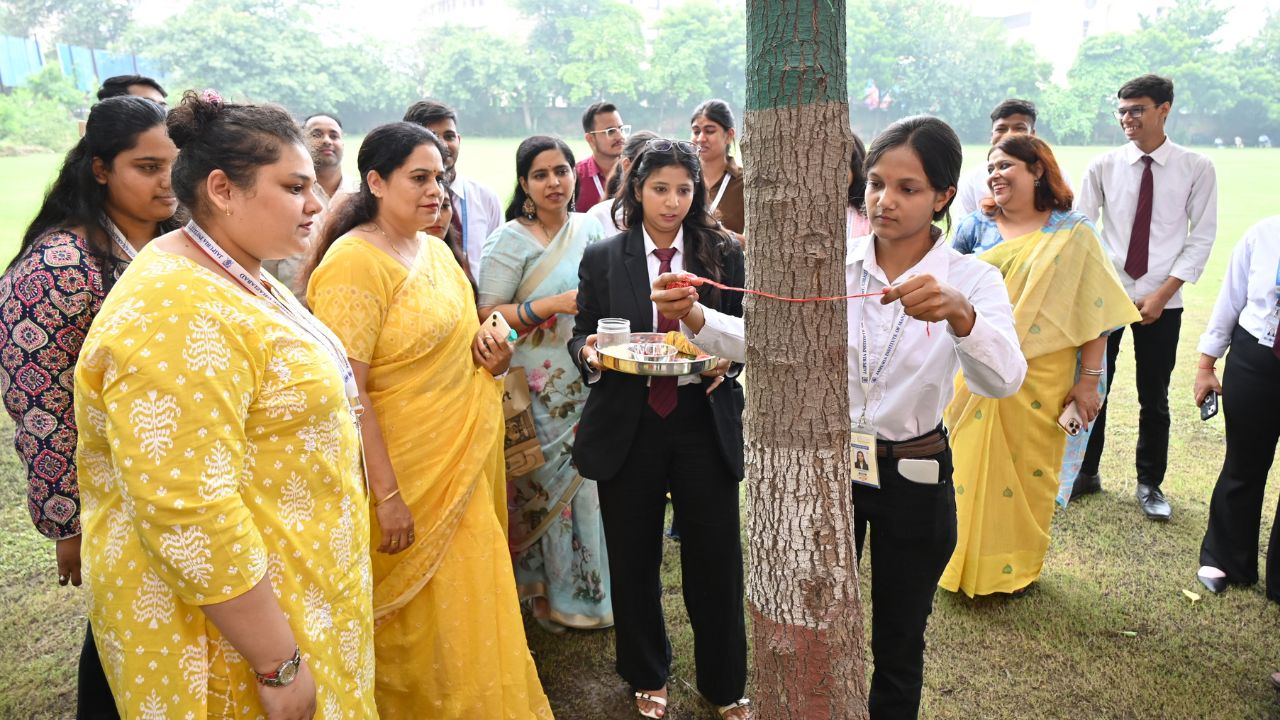
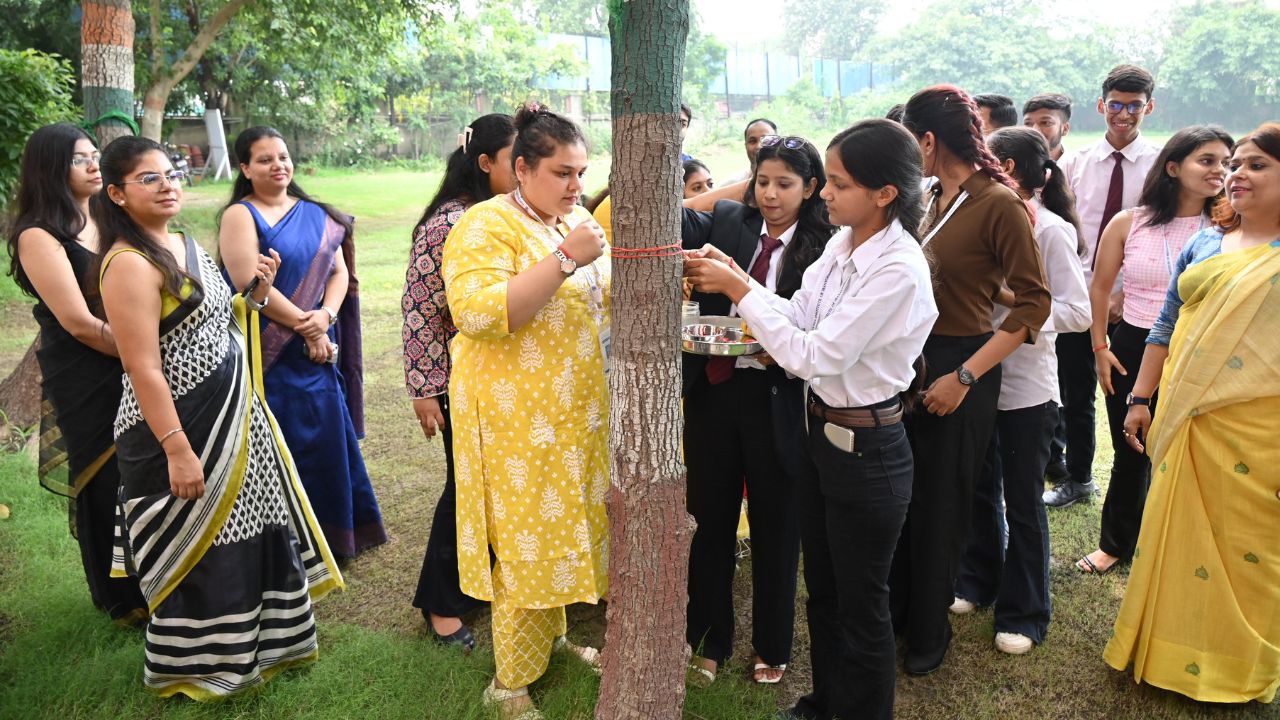
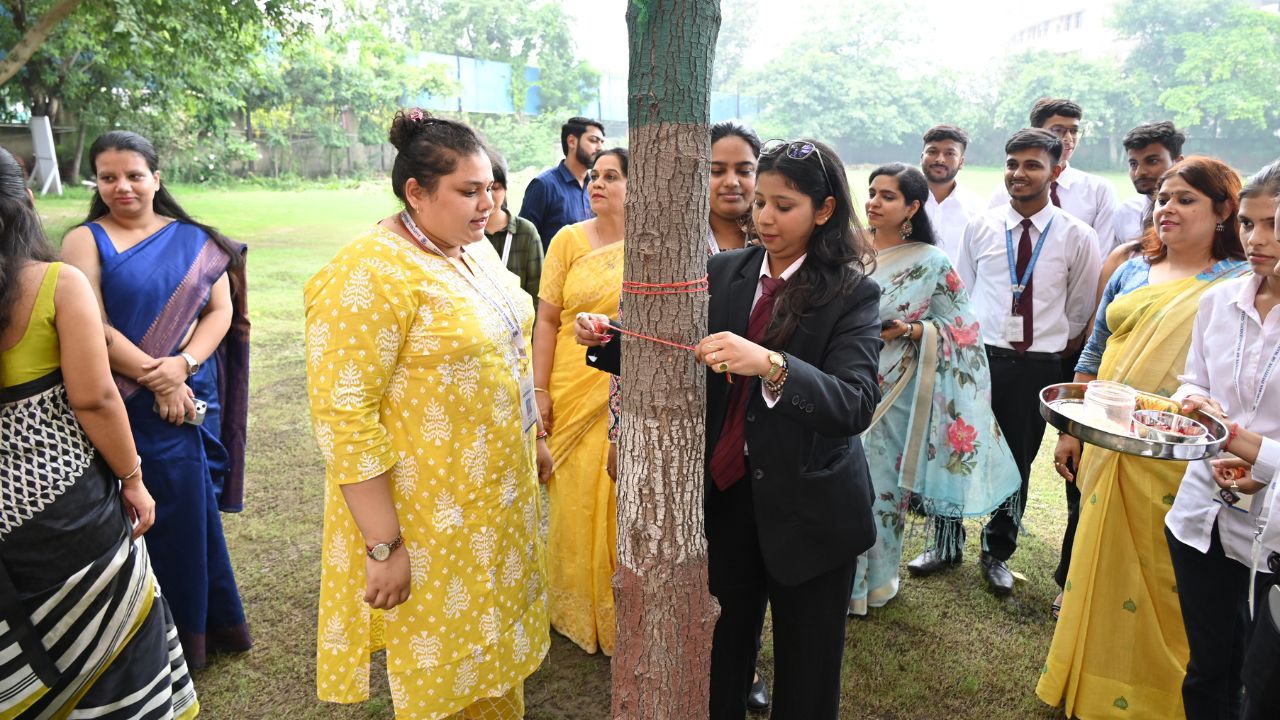
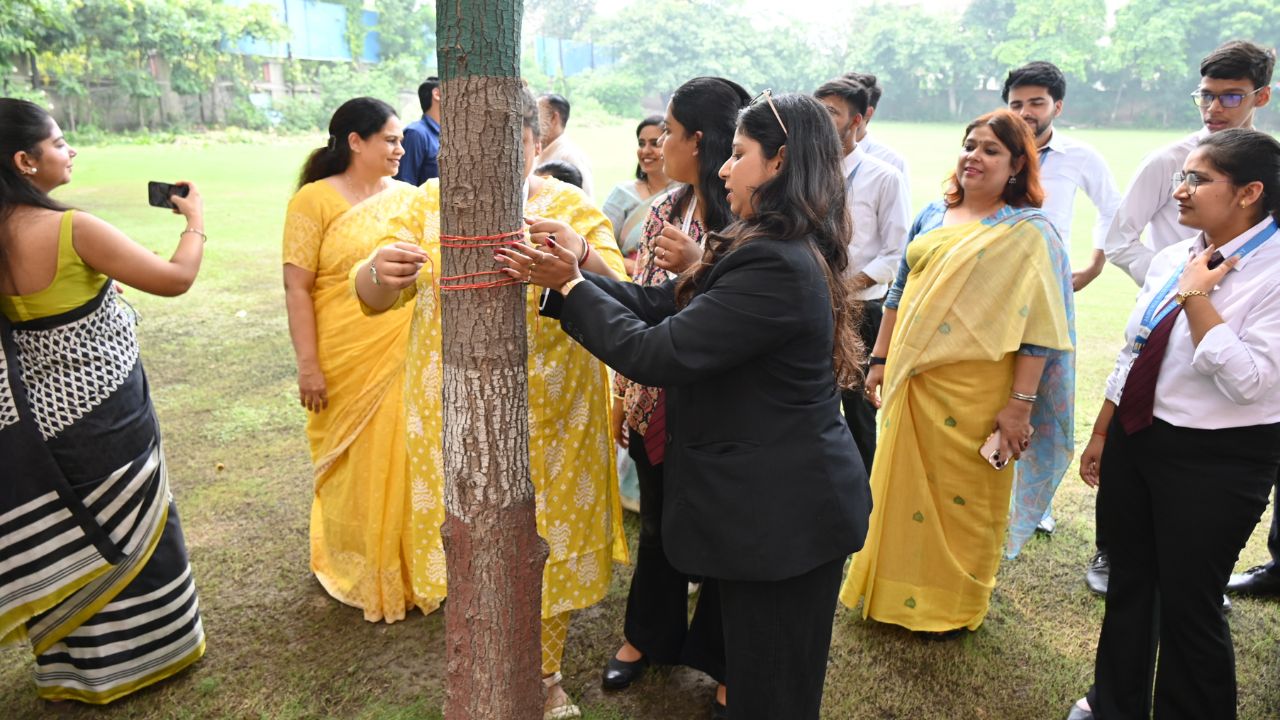
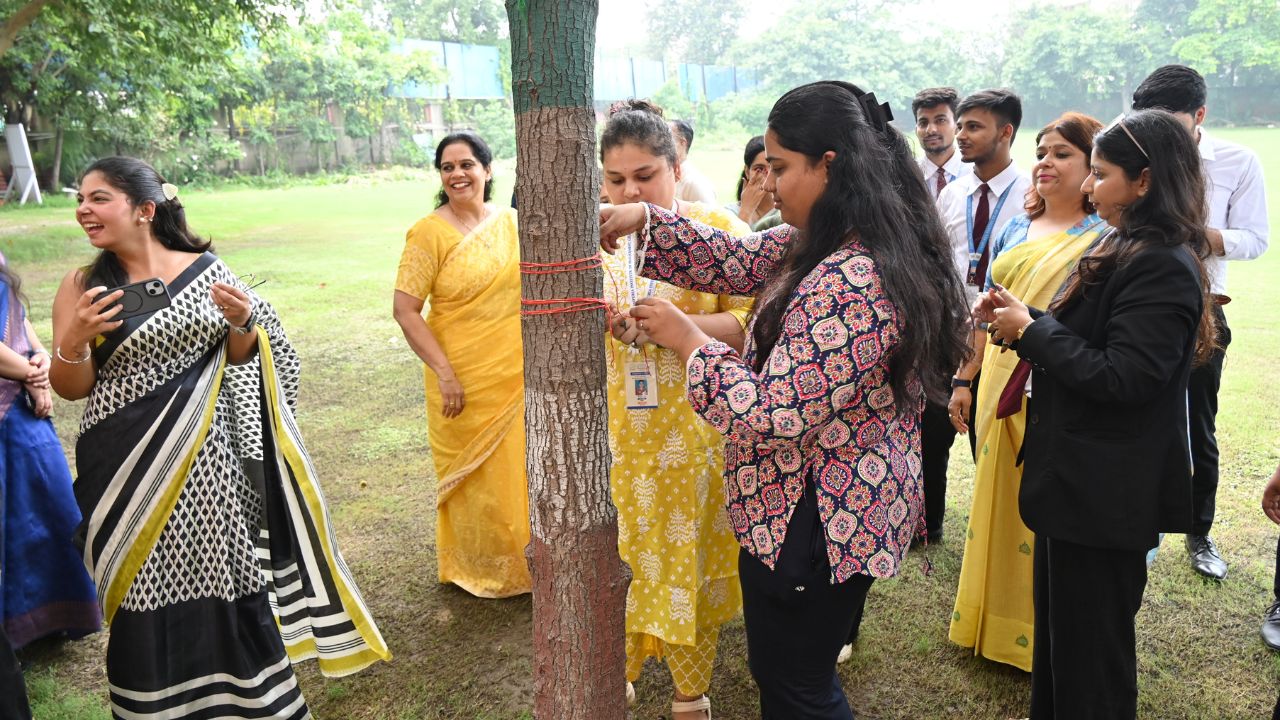
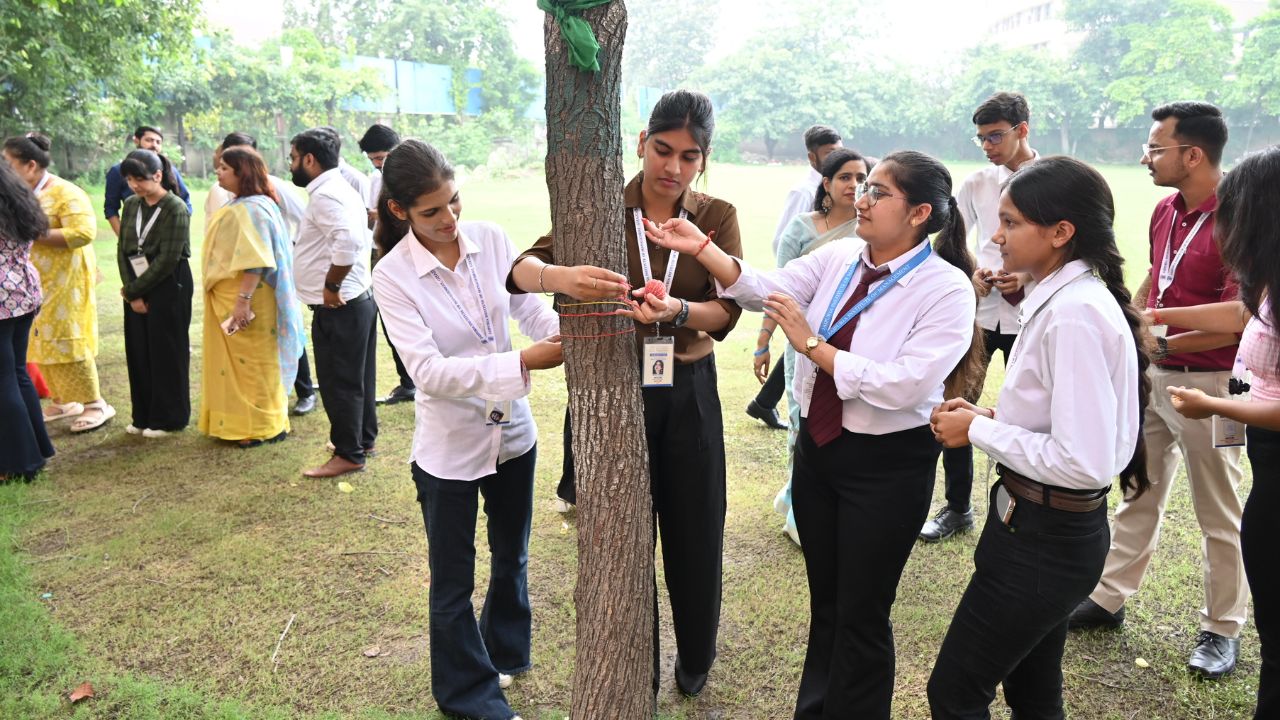
As part of the institute’s ongoing commitment to values-based and community-oriented learning, students came together on campus to tie sacred Kalava threads around trees and take a collective pledge to protect and nurture them. The activity transformed a familiar Rakshabandhan tradition into a meaningful expression of environmental responsibility.
Extending the Spirit of Rakshabandhan to Nature
Rakshabandhan traditionally celebrates a bond built around affection, responsibility and protection. During the campus celebration, students explored these values from a broader perspective by extending the promise of Raksha to the trees around them.
The Kalava, traditionally associated with protection, took on a wider meaning as students tied the sacred threads to trees across the campus. Through this symbolic gesture, they pledged to extend the same sense of care and responsibility towards nature that the festival represents within families.
The initiative reinforced a simple but meaningful idea: protection and responsibility are values to be practised, not merely professed.
Students Take a Pledge to Protect Trees
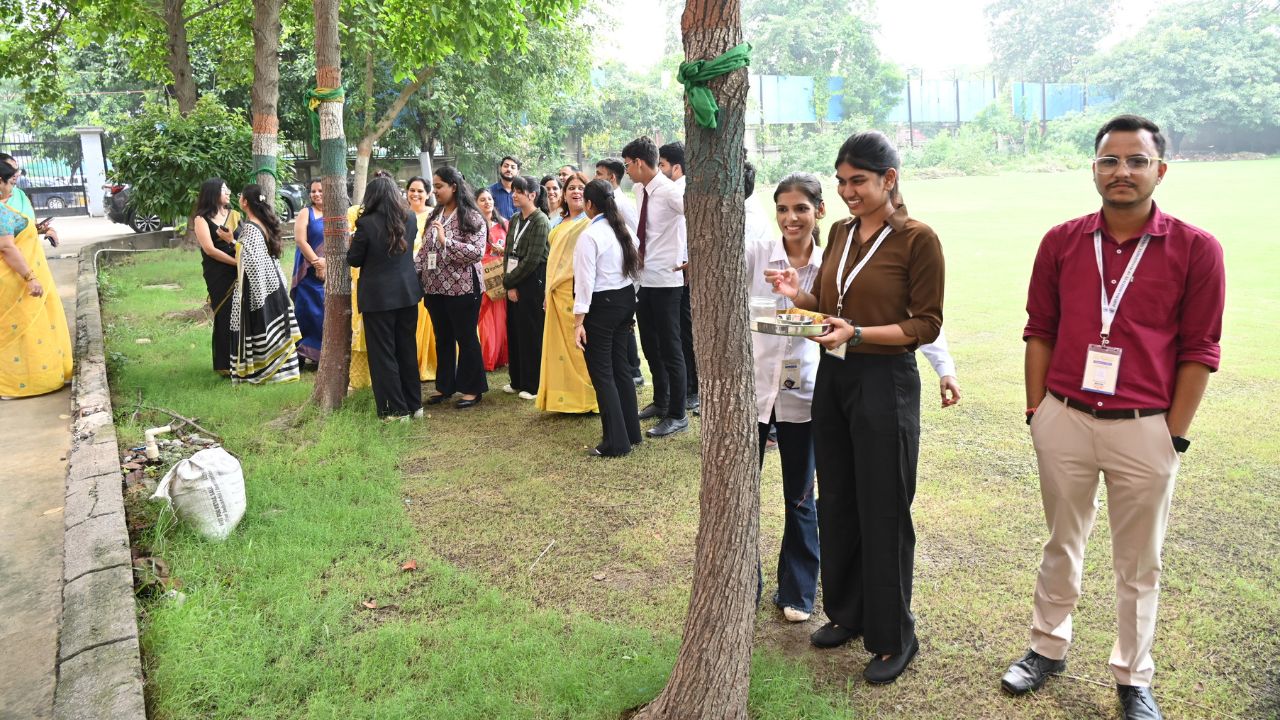
As part of the activity, students individually tied Kalava threads to trees at designated locations across the campus. Each participant also took a spoken pledge to protect the chosen tree and contribute towards its care, watering and long-term well-being.
The activity encouraged students to move beyond being observers of a festival and become active custodians of the campus’s green cover.
The threads tied around the trees created a visible reminder of the promises made during the celebration, connecting the symbolism of Rakshabandhan with a continuing responsibility towards environmental care.
Celebrating Tradition with a Sustainable Message
The celebration successfully brought together cultural tradition and environmental consciousness. Rather than changing the fundamental values associated with Rakshabandhan, the initiative expanded their relevance to a contemporary concern.
Students were encouraged to reflect on the relationship between people and nature and recognise that environmental responsibility begins with individual actions.
The activity demonstrated how traditional celebrations can become opportunities for experiential learning, encouraging students to connect cultural values with sustainability and social responsibility.
Festive Spirit Across the Campus
While environmental responsibility remained at the heart of the initiative, the traditional festive spirit of Rakshabandhan was also maintained.
Sweets were distributed among all students who participated in the thread-tying ceremony, adding warmth and celebration to the occasion.
The enthusiastic participation of students reflected their willingness to engage with an activity that combined tradition, environmental awareness and collective responsibility.
Values-Based Learning Beyond the Classroom
At Jaipuria Institute of Management, Ghaziabad, learning extends beyond academic concepts to experiences that encourage students to think about their responsibilities towards society and the environment.
The Rakshabandhan celebration offered students an opportunity to understand values such as care, responsibility, commitment and protection through direct participation.
By associating these values with the protection of trees, the initiative encouraged students to view environmental conservation as a shared responsibility rather than an isolated activity.
Building a Culture of Environmental Responsibility
The celebration also contributed to strengthening awareness about the importance of protecting the campus’s green cover.
Each Kalava tied to a tree represented a personal commitment, while collectively the threads symbolised the responsibility of the campus community towards nature.
The initiative showed how small individual actions can contribute to a larger culture of environmental consciousness. It also encouraged students to consider sustainability as part of everyday behaviour rather than something limited to formal campaigns or academic discussions.
A Meaningful Interpretation of Raksha
The event captured its message through a powerful thought:
A thread tied to a wrist protects one relationship; a thread tied to a tree protects them all.
By protecting something that cannot ask for protection, students experienced a deeper interpretation of Raksha, one centred on care without expectation.
This Rakshabandhan, the campus did not simply celebrate a bond. It renewed one with the trees that contribute to the air, shade and future shared by the entire community.
The Rakshabandhan Celebration 2026 at Jaipuria Institute of Management, Ghaziabad therefore became more than a festive gathering. It was an expression of cultural values, environmental awareness and collective responsibility, reinforcing the importance of protecting both relationships and the natural world around us.
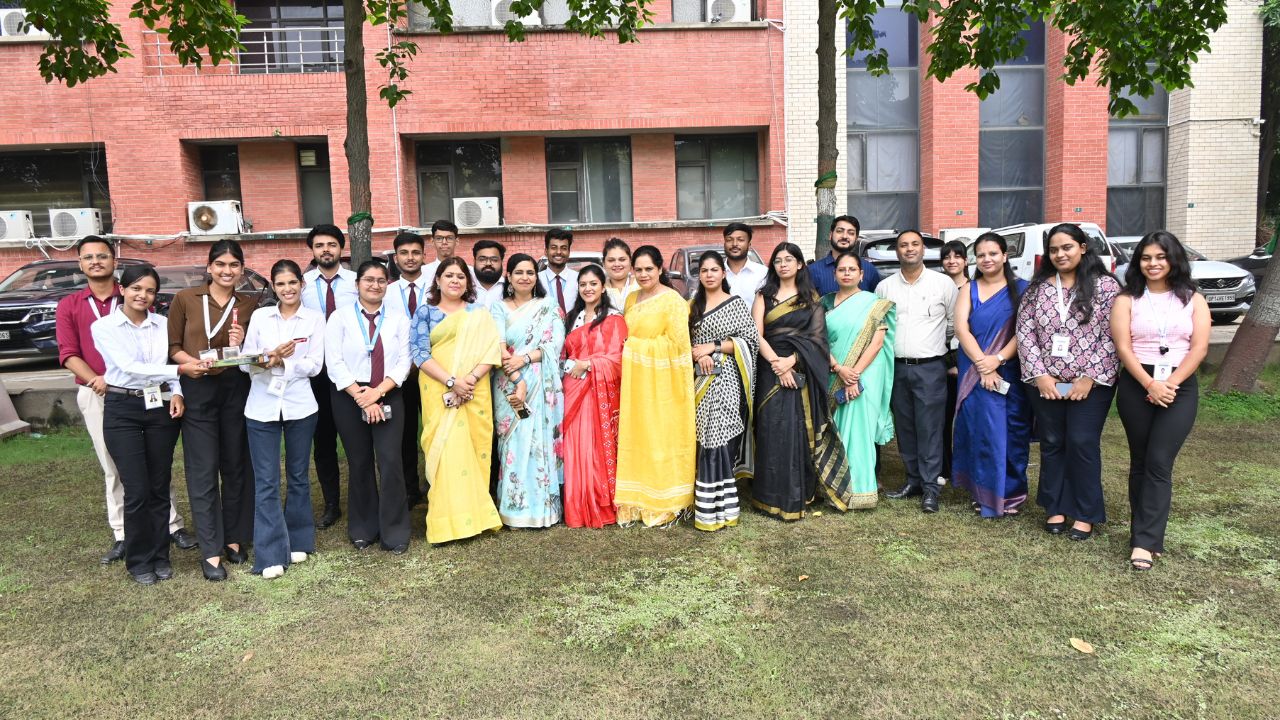
Members Present: Dr. Kratika Singh, Dr. Sanandi Sachdeva, Ms. Sarika Malhotra and Dr. Muskan Bhatnagar.
Report Prepared by: Dr. Kratika Singh